The fascinating journey of casino evolution through the ages
The Origins of Gambling
The roots of gambling can be traced back to ancient civilizations, where evidence suggests that various forms of betting and games of chance were popular. In ancient China, around 2300 BCE, rudimentary forms of gambling emerged with tiles used for a game of chance. Similarly, the Romans enjoyed dice games, which were commonly played during their lavish gatherings, showcasing the early intertwining of social gatherings and gambling. For those interested in swift cash-outs, visiting a fast withdrawal casino canada can be quite beneficial.
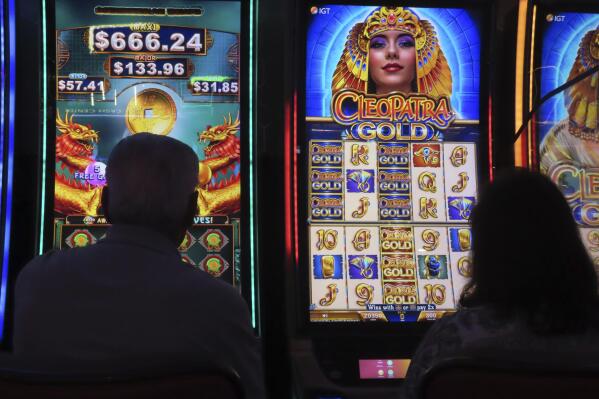
As societies evolved, so did the complexity of gambling games. The introduction of card games in the 14th century, particularly in Europe, marked a significant advancement. These games laid the foundation for what would eventually become modern casino games, leading to the establishment of formal gambling houses in the 17th century, particularly in Italy and France.
The Rise of Formal Casinos
The 17th and 18th centuries saw the birth of the modern casino as we know it today. The Casino di Venezia in Italy, established in 1638, is often cited as the first legal gambling house. This venue paved the way for the establishment of numerous other casinos across Europe, where the elite would gather to enjoy games like baccarat and roulette, enhancing the allure of gambling as a fashionable pastime.
During this time, casinos began to adopt more organized structures, including house rules and formalized games, creating a more sophisticated atmosphere. The French Revolution and subsequent events in Europe led to the spread of casino culture, culminating in the establishment of the famous Monte Carlo Casino in the 19th century, which attracted a global clientele seeking glamour and thrill.
The Impact of the Industrial Revolution
The Industrial Revolution had a profound impact on the evolution of casinos. With increased wealth and leisure time, more people were drawn to gambling as a form of entertainment. This era saw the proliferation of gambling establishments, not only in Europe but also in America, where cities like New Orleans and later Las Vegas emerged as gaming hubs.
The advent of technology during this period, particularly the invention of the mechanical slot machine in the late 19th century, revolutionized the gambling experience. These machines allowed for greater accessibility to gambling, attracting a broader audience and laying the groundwork for the modern gaming industry.
The Digital Transformation of Gambling
The late 20th century marked a significant turning point with the advent of the internet, which transformed the way people engaged with casinos. Online gambling platforms began to emerge in the mid-1990s, offering players the convenience of accessing their favorite games from home. This digital revolution made gambling more accessible than ever before, breaking geographical barriers.
As technology continued to evolve, so too did online casinos, with advancements in graphics, live dealer games, and mobile gaming enhancing the user experience. Today, players can enjoy a variety of games and bet in real-time, making online casinos a dominant force in the gambling industry.
Discovering the Future of Casinos
The future of casinos promises to be just as fascinating as its past. With the integration of virtual reality and artificial intelligence, the gaming experience is expected to become even more immersive and personalized. Innovations like blockchain technology may also enhance security and transparency in online gambling.
For those seeking a hassle-free gaming experience, exploring platforms that prioritize rapid cash-outs and secure transactions can significantly enhance the enjoyment of online gambling. By utilizing reliable payment methods and understanding responsible gaming practices, players can embark on an exciting journey through the evolving landscape of casinos.